THE TREE OF LIFE
FURIOSA
MEXICO CITY MEXICO 2021
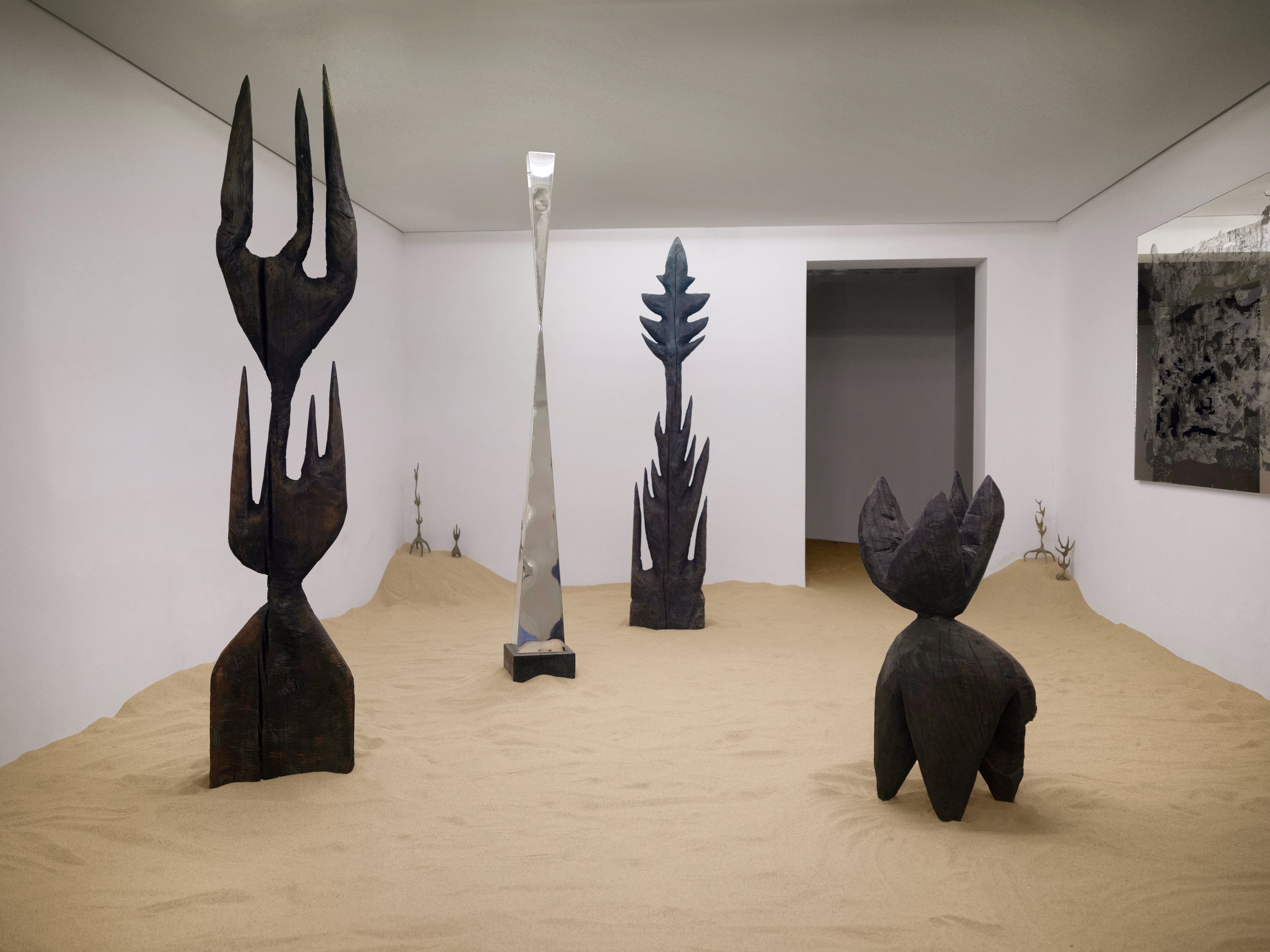
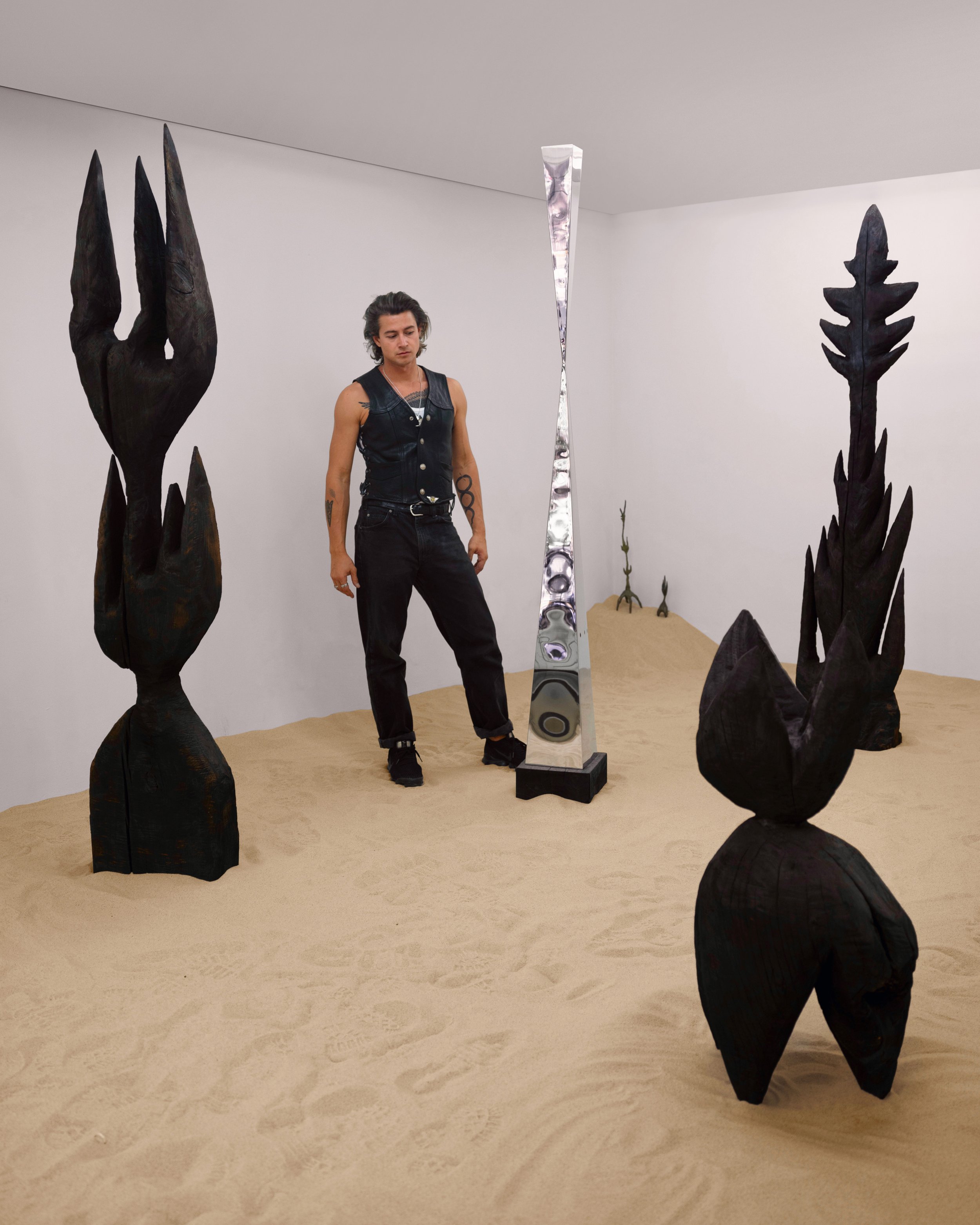
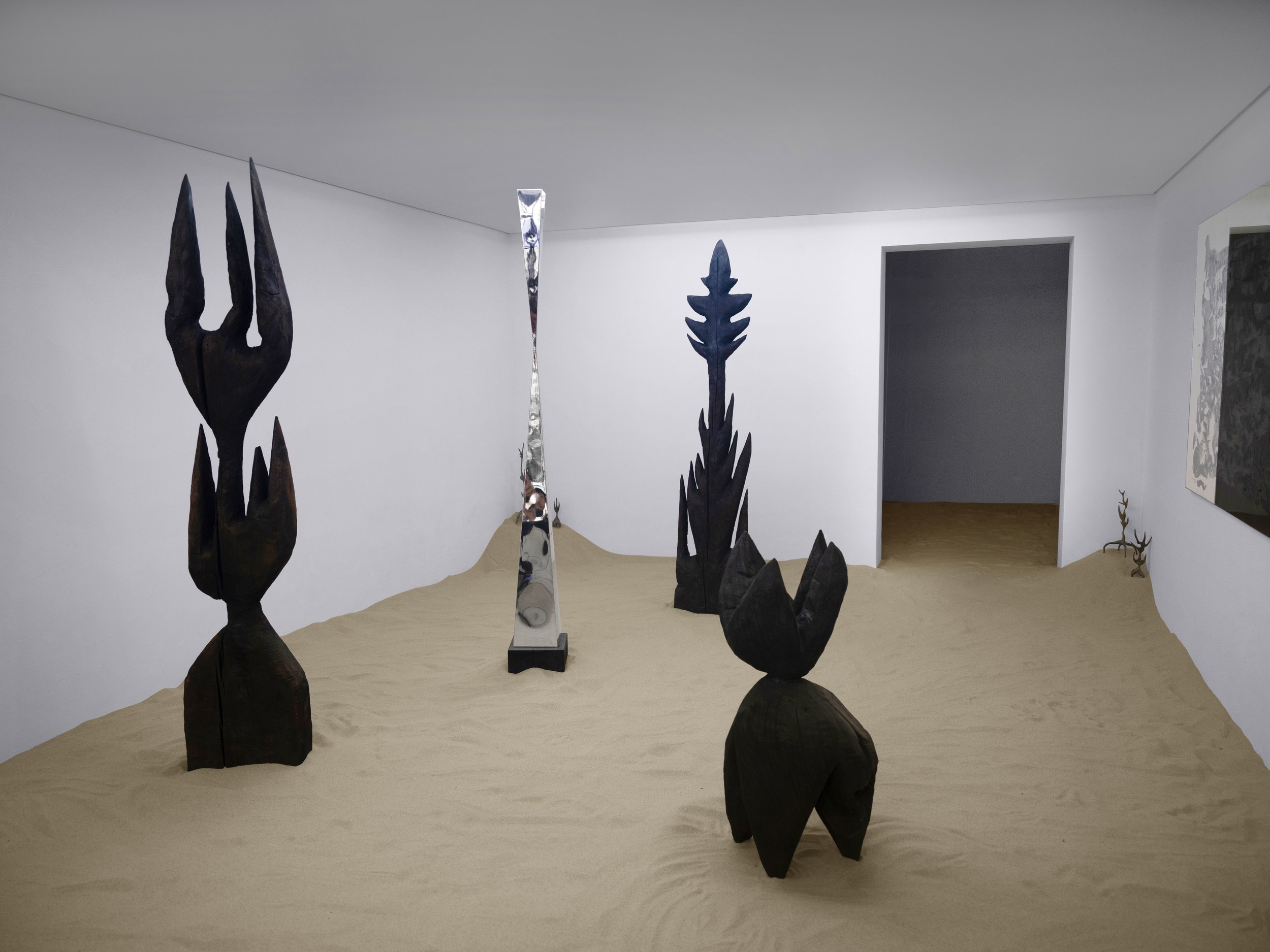
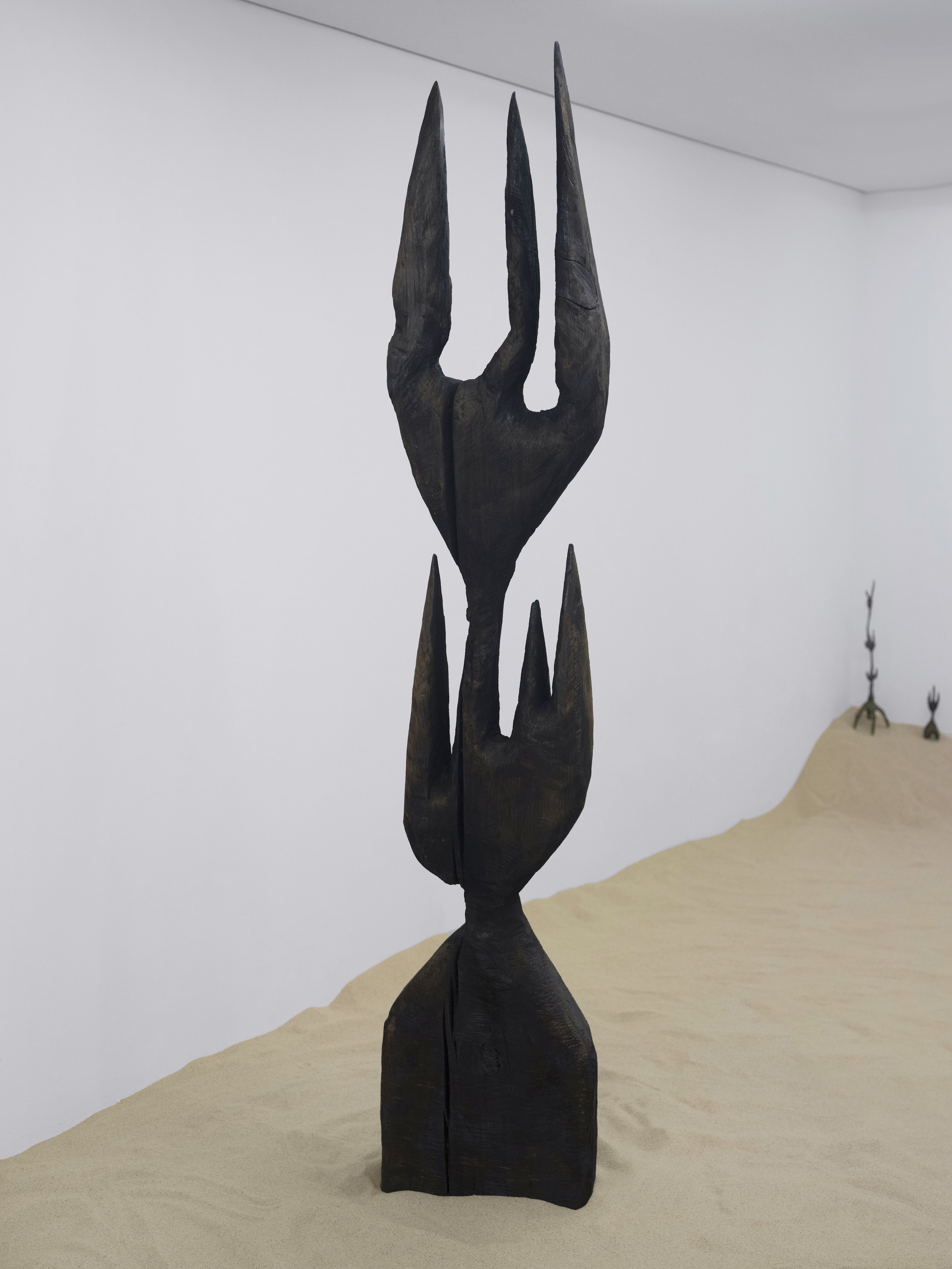
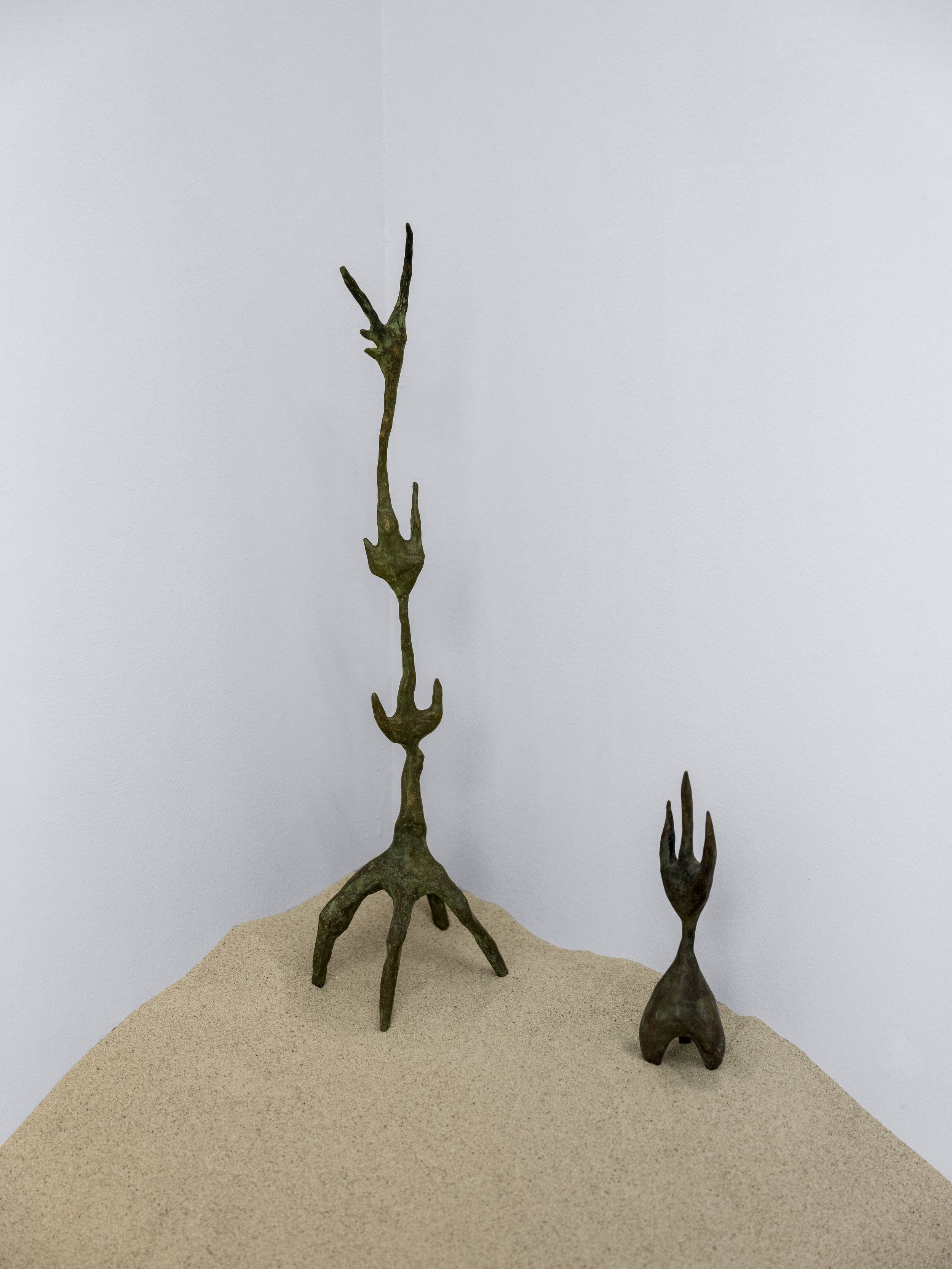
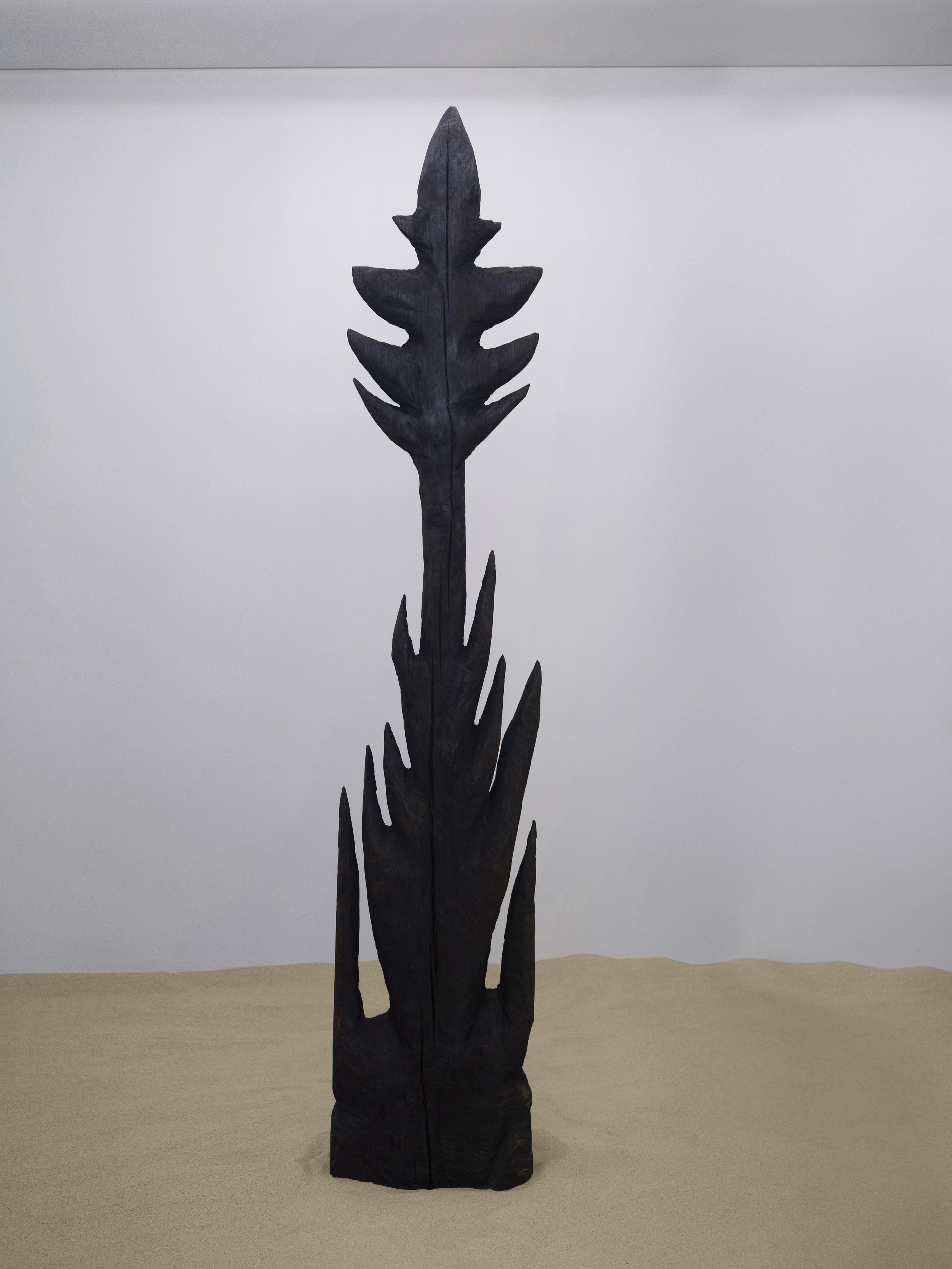
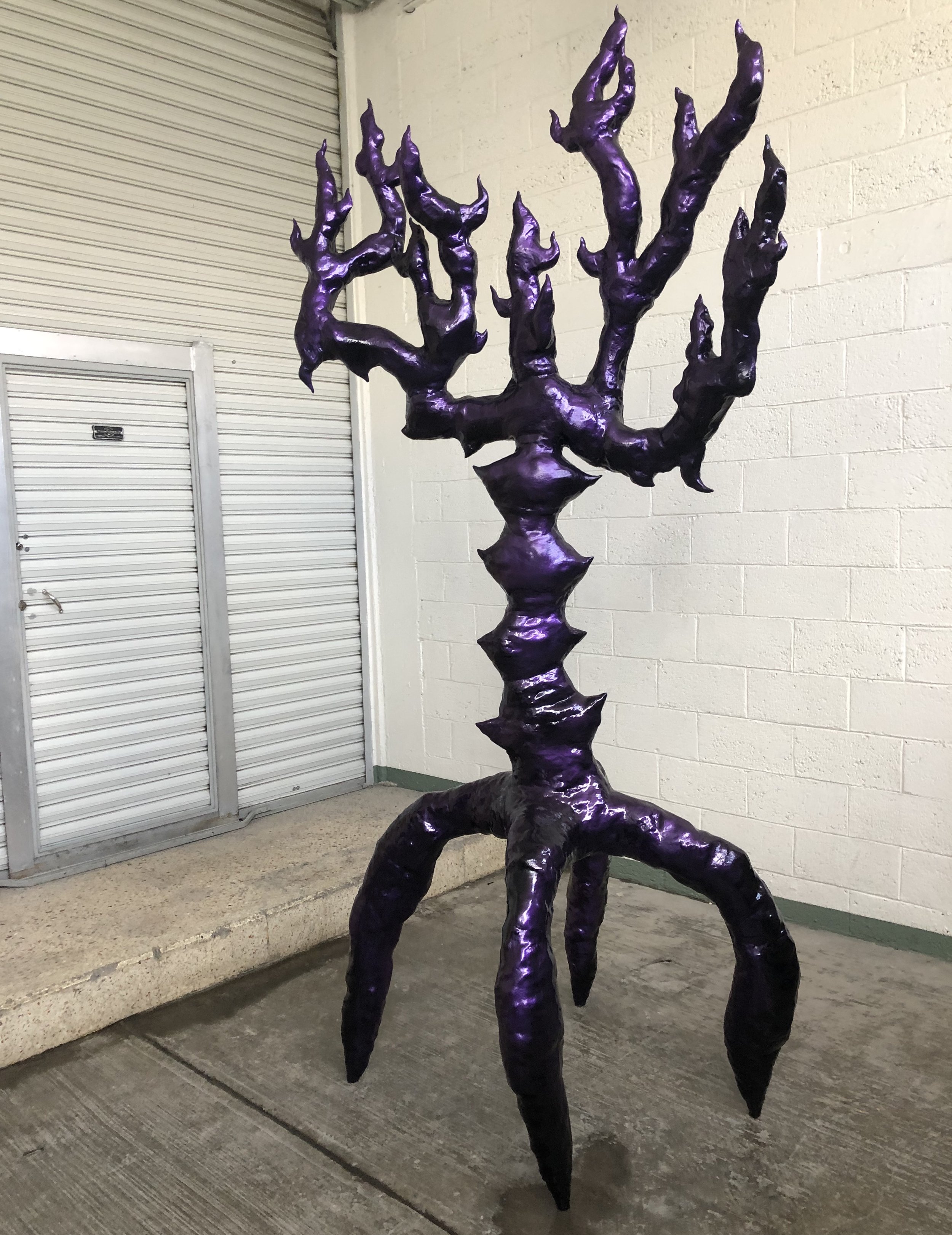
The tree of life is a fundamental universal archetype found across many of the world’s religions, mythologies, and philosophical traditions. It often appears as a cosmic or “world” tree, an axis mundi that roots into the underworld, rises through the human realm, and branches into the heavens.
In Northern European and Norse traditions, the tree manifests as Yggdrasil, the world tree: a vast ash whose roots and branches connect the nine worlds and hold the cosmos together. Among Celtic peoples, sacred trees such as oaks were venerated, with druids honouring groves as living temples woven into communal and spiritual life.
The motif extends to ancient Mesopotamia, where Assyrian sacred trees in palace reliefs symbolised divine order and fertility, tended by kings and genies. In Jewish Kabbalah, the Etz Chaim maps God’s ten emanations (Sefirot), charting creation and the soul’s ascent. Pre-Columbian Mesoamerican cosmologies center a sacred tree embodying the four cardinal directions as an axis mundi linking underworld, sky, and earth, among Maya, the Ceiba (Yaxche) specifically connects Xibalba’s depths to stellar heavens.
Further east, Hinduism’s Ashvattha (sacred fig) embodies eternal wisdom with roots descending from heaven like time’s cycle, while Buddhism’s Bodhi tree marks the Buddha’s enlightenment under its awakening canopy. In Chinese mythology, Jian-Mu bridges heaven’s nine realms and earth’s nine springs, channeling vital qi. As Carl Jung observed of this archetype: “No tree, it is said, can grow to heaven unless its roots reach down to hell.”
.